Tracing Permit Pathways: How Vienna Operators Secure Austrian Gambling Approvals Through Layered Compliance Steps
Gisela Griffin · Oct 8, 2026
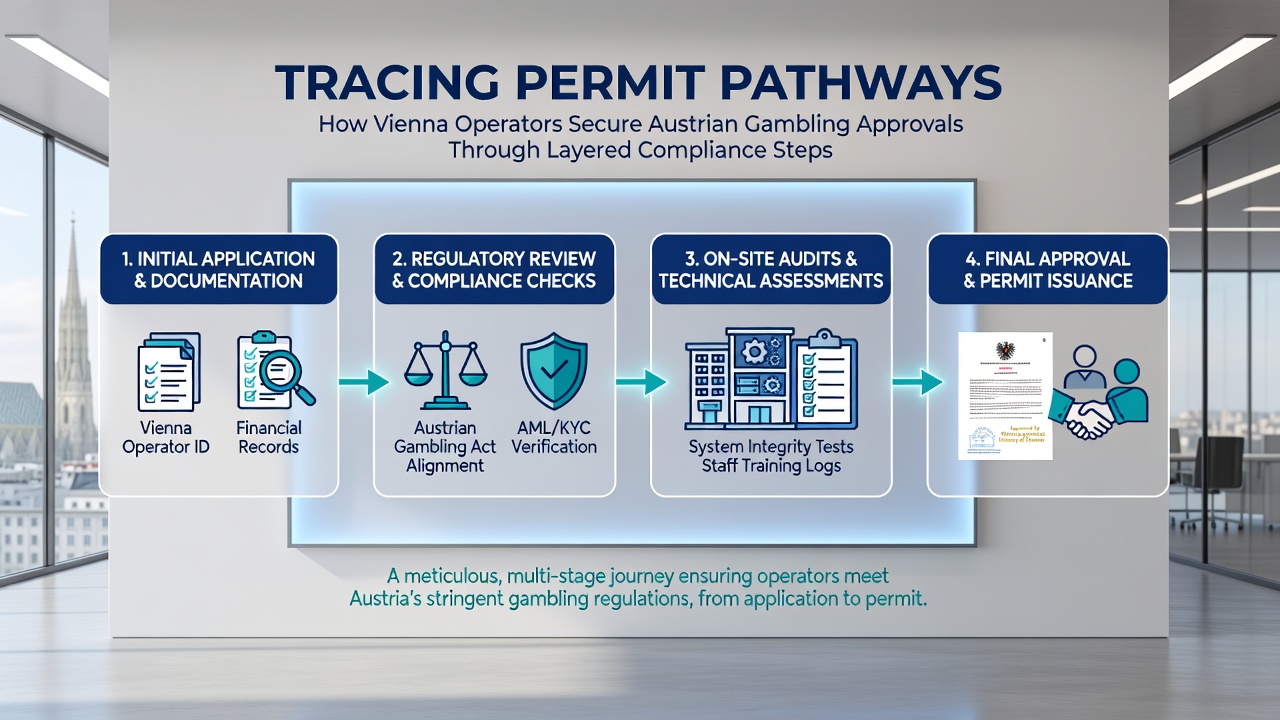
Tracing Permit Pathways: How Vienna Operators Secure Austrian Gambling Approvals Through Layered Compliance Steps
Operators seeking to run gambling facilities in Vienna face a structured approval process governed by Austria's Glücksspielgesetz, and they must demonstrate adherence at multiple stages before receiving licenses from federal authorities. The framework requires proof of operational integrity, financial soundness, and player protection measures, with applications routed through the Austrian Federal Ministry of Finance for initial review.
Regulatory Framework Governing Vienna Gambling Operations
Austria maintains centralized control over gambling authorizations, and Vienna operators navigate the same national rules that apply across all provinces while addressing local zoning and municipal permits separately. Data from the ministry shows that license reviews typically span 12 to 18 months when applicants submit complete documentation covering corporate structure, ownership transparency, and technical system certifications. In October 2026, ministry records indicate ongoing processing of renewal applications for several Vienna-based venues, reflecting steady demand for compliant operators amid stable market figures.
Those who've studied the process note that early engagement with the ministry's guidelines reduces delays, since incomplete submissions trigger additional information requests. Background checks extend to all key personnel and major shareholders, drawing on police records and financial histories to confirm absence of disqualifying offenses or insolvency issues.
Initial Application and Documentation Layers
Applicants begin by filing a formal request that includes detailed business plans, projected revenue models, and evidence of sufficient capital reserves. According to the Austrian Federal Ministry of Finance, every submission must also contain independent audits verifying the proposed gaming equipment meets technical standards for fairness and security. Operators often coordinate with certified testing laboratories before submission to avoid rejection on hardware grounds.
Financial stability documentation forms another core layer, requiring balance sheets audited by recognized firms along with projections that account for tax obligations and responsible gaming contributions. Vienna operators frequently establish separate legal entities for their Austrian activities to isolate compliance responsibilities from international holdings.
Compliance Verification and Ongoing Monitoring
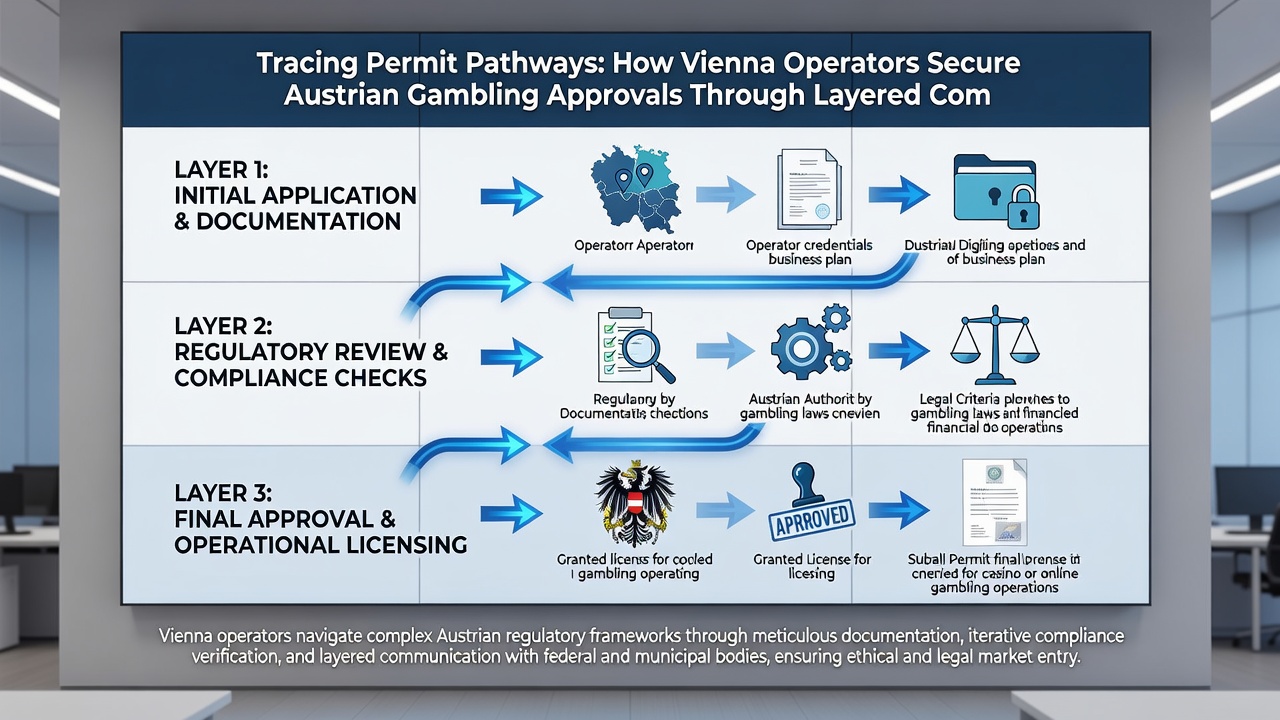
Once preliminary documents clear review, authorities conduct site inspections and system audits that examine everything from server locations to customer data handling protocols. Research from the European Gaming and Betting Association indicates that operators investing in pre-audit compliance training experience fewer interruptions during these phases. Player protection protocols receive particular scrutiny, including self-exclusion mechanisms, age verification systems, and limits on deposit amounts that align with national harm minimization standards.
Those overseeing the process emphasize that approvals hinge on demonstrated ability to maintain continuous reporting, with operators required to submit monthly activity summaries and annual compliance certifications. A report from the Canadian Institute for Gaming Research highlights how layered verification in similar European markets correlates with lower incidence of regulatory breaches over multi-year license periods.
Technical Standards and Responsible Gaming Integration
Technical compliance demands that all gaming software undergoes certification by accredited bodies, ensuring random number generators and payout percentages meet predefined thresholds. Vienna facilities must integrate these systems with real-time monitoring portals accessible to regulators, allowing immediate detection of anomalies. Operators also implement staff training programs focused on identifying problem gambling behaviors, with records of completed sessions forming part of the approval dossier.
Additional layers address anti-money laundering procedures, requiring transaction monitoring software and staff designated for suspicious activity reporting to the Financial Market Authority. Ministry guidelines specify that failure to maintain these controls can result in license suspension even after initial approval.
Local Coordination and Final Authorization
Beyond federal requirements, Vienna operators secure municipal permits covering building use, fire safety, and noise regulations before full operations commence. Coordination between city authorities and the ministry ensures alignment on venue specifications, and operators often engage local legal counsel to manage this parallel track. Once all layers receive sign-off, the ministry issues the operating license with conditions that include periodic re-evaluations and mandatory updates to compliance protocols.
Conclusion
The permit pathway for Vienna operators combines federal oversight with technical, financial, and social responsibility checks that together form a sequential approval structure. Observers note that successful applicants consistently maintain detailed records and adapt systems promptly when regulatory expectations evolve, allowing them to sustain licensed operations within Austria's controlled gambling environment.