Behind the Scenes of Regulatory Audits for Vienna-Based Betting Establishments
Yara Peters · Nov 19, 2026
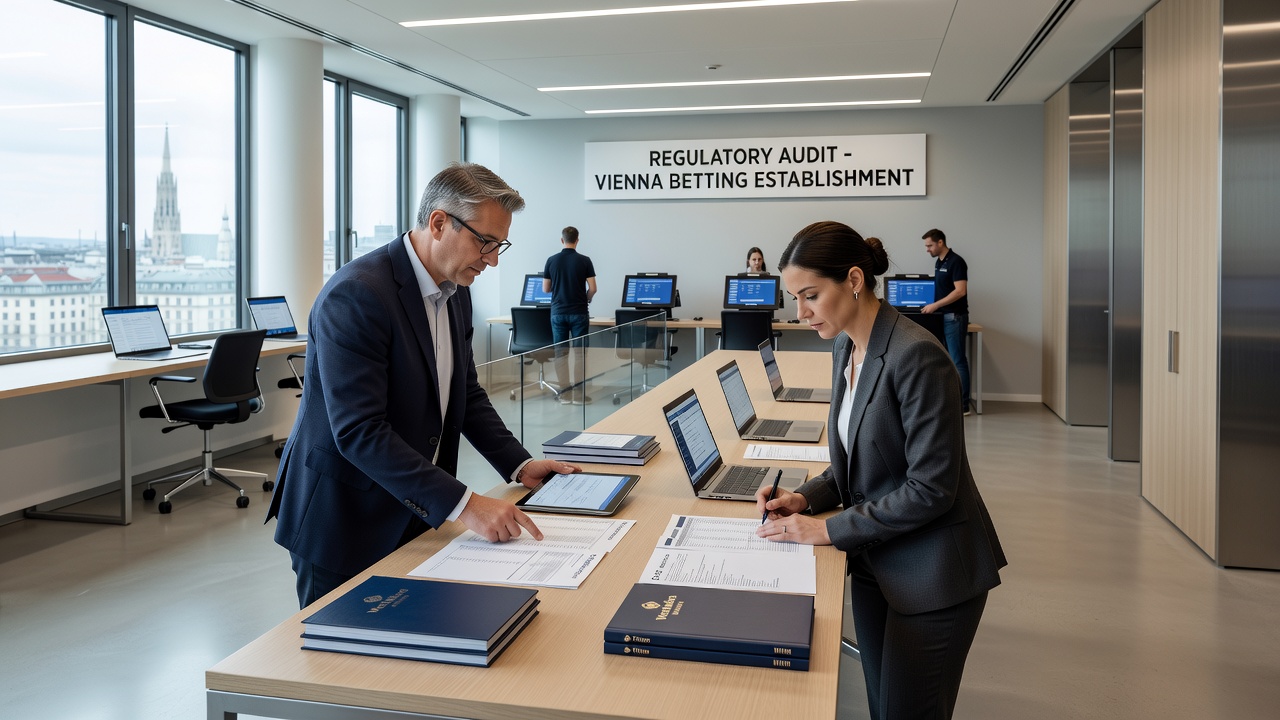
Behind the Scenes of Regulatory Audits for Vienna-Based Betting Establishments
Regulatory audits for Vienna-based betting establishments follow structured protocols that examine operational records, financial transactions, and player protection measures under Austrian federal guidelines. These examinations occur at scheduled intervals and focus on compliance with licensing conditions set by national authorities. Operators receive advance notice that allows internal teams to compile documentation spanning several years of activity, while auditors prepare checklists tailored to each venue's scale and game offerings.
Preparation and Notification Procedures
Authorities issue formal letters to establishments weeks ahead of an audit, and these notices outline the scope along with specific data categories required for review. Staff members then organize player registration logs, transaction histories, and internal control reports into accessible formats. One operator in central Vienna assembled digital archives that covered every wager placed over the prior 36 months, which helped streamline the initial document handoff. Preparation also includes coordination with third-party software providers to grant auditors temporary access to backend systems without disrupting daily operations.
Document Examination and Staff Interviews
Once materials arrive at the regulatory office, analysts cross-reference entries against licensing terms, and they flag discrepancies in payout ratios or age-verification timestamps. Interviews with managers and floor supervisors follow, where questions probe decision-making processes during peak hours. Researchers have observed that these conversations often reveal how venues handle disputes over bet settlements, and records from those sessions become part of the permanent audit file. Data shows that establishments maintaining real-time logging systems complete this phase faster than those relying on paper-based backups.
On-Site Inspections and System Testing

Audit teams visit venues in person to observe live operations, and they test random number generators along with self-exclusion databases during regular business hours. Technicians run simulated wagers through terminals while monitoring how the system records results and alerts staff to potential problem gambling indicators. Observers note that November 2026 inspections placed added emphasis on integration between physical terminals and national online platforms, because new reporting standards took effect that month. Venues that had already aligned their software with these requirements passed hardware verification steps without additional remediation requests.
Findings, Reporting, and Follow-Up Actions
After inspection concludes, regulators compile a detailed report that lists any identified gaps along with recommended corrective steps. Establishments receive a fixed window to submit evidence of changes, and auditors may schedule a targeted re-check if initial issues involved financial controls or player data security. Figures from comparable European markets indicate that most Vienna operators resolve minor administrative findings within 30 days, whereas technical system upgrades can extend timelines to 90 days. External reviews by independent consultants often support these remediation efforts, and one case involved a venue upgrading its multi-factor authentication protocols after an audit highlighted incomplete rollout.
According to data released by the Australian Gambling Research Centre, integrated audit approaches that combine financial and behavioral compliance checks produce higher long-term adherence rates across regulated markets. Similar patterns appear in reports from the Canadian Centre on Substance Use and Addiction, where cross-referenced data sets helped identify repeat compliance patterns in multi-site operators.
Conclusion
Regulatory audits for Vienna betting establishments continue to evolve with updates to national standards and technology requirements. The process relies on coordinated preparation, thorough documentation review, and direct observation to verify ongoing adherence. Establishments that maintain comprehensive records and responsive internal controls navigate these examinations with fewer interruptions to daily business.