Austria's Permit Pathways for Blending Physical Vienna Venues With National Online Licensing Standards
Quinn Zimmermann · Nov 5, 2026
Austria's Permit Pathways for Blending Physical Vienna Venues With National Online Licensing Standards
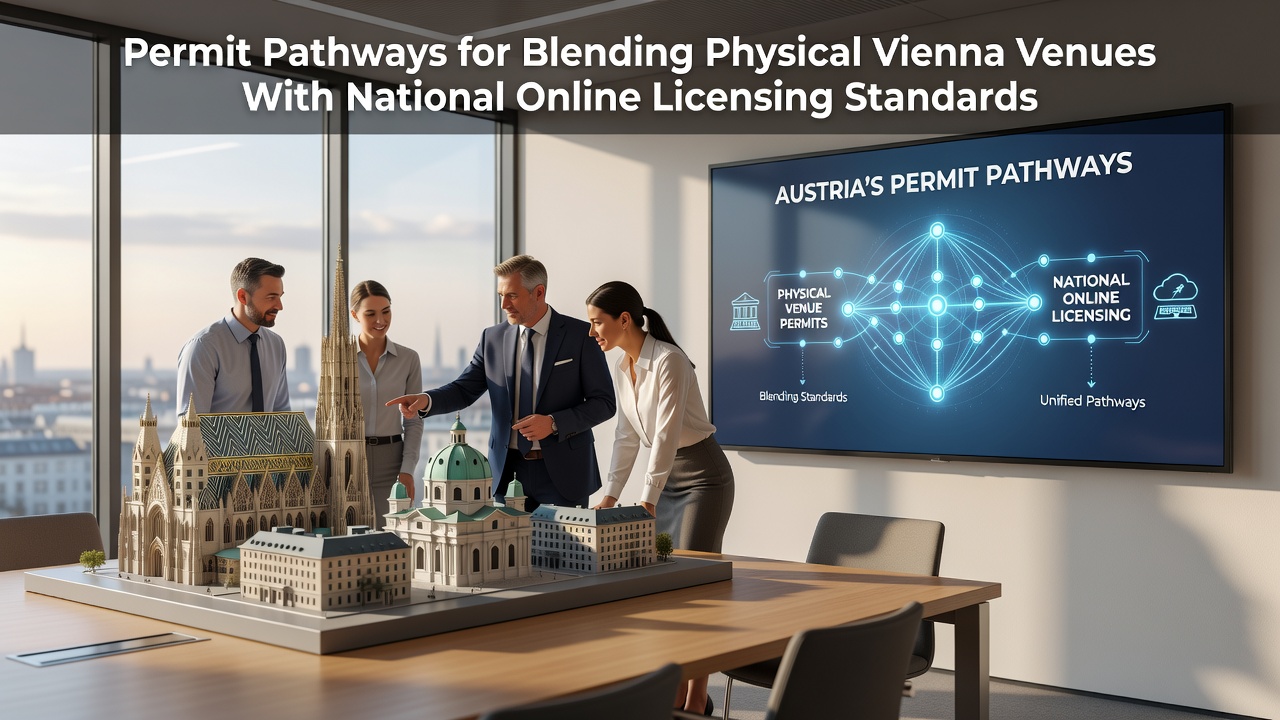
Operators in Vienna navigate a structured set of permit pathways that connect physical venue requirements with Austria's national online licensing framework, and these pathways have evolved further by November 2026 as regulators update compliance layers to accommodate hybrid models. The process begins with applications submitted to the Federal Ministry of Finance, which oversees both land-based approvals and digital extensions under unified standards that demand operators demonstrate operational continuity across channels.
Regulatory Framework Overview
Austria maintains centralized control through national statutes that require any physical casino in Vienna to secure supplementary endorsements before launching or expanding online components, and this integration ensures that venue-specific licenses align with broader digital mandates on player verification, transaction monitoring, and revenue reporting. Data from regulatory filings shows that successful applicants must complete sequential reviews covering site inspections, financial audits, and technology assessments, while those who've studied the system note that approvals typically span nine to fifteen months depending on the complexity of the proposed blend.
Key Compliance Steps for Hybrid Operations
Physical venues start by obtaining or renewing their core gambling concession, which then serves as the foundation for national online licensing applications, and applicants submit detailed plans that outline how on-site systems will interface with remote platforms through shared databases and real-time reporting protocols. Experts have observed that this layering reduces duplication because operators can leverage existing venue infrastructure for elements like identity checks, yet they still face additional scrutiny on cybersecurity measures and cross-border data handling. One study revealed that facilities incorporating these blended approaches report streamlined audits, because regulators access unified records rather than separate physical and digital files.
But here's the thing: the pathway also incorporates public consultation phases where local Vienna authorities provide input on venue impacts before national approval advances, and this step ensures alignment between municipal zoning rules and federal online standards. Figures reveal that in 2025 through November 2026, twelve hybrid applications reached this stage, with eight securing full permits after addressing feedback on traffic management and community safeguards.
Technology and Verification Requirements
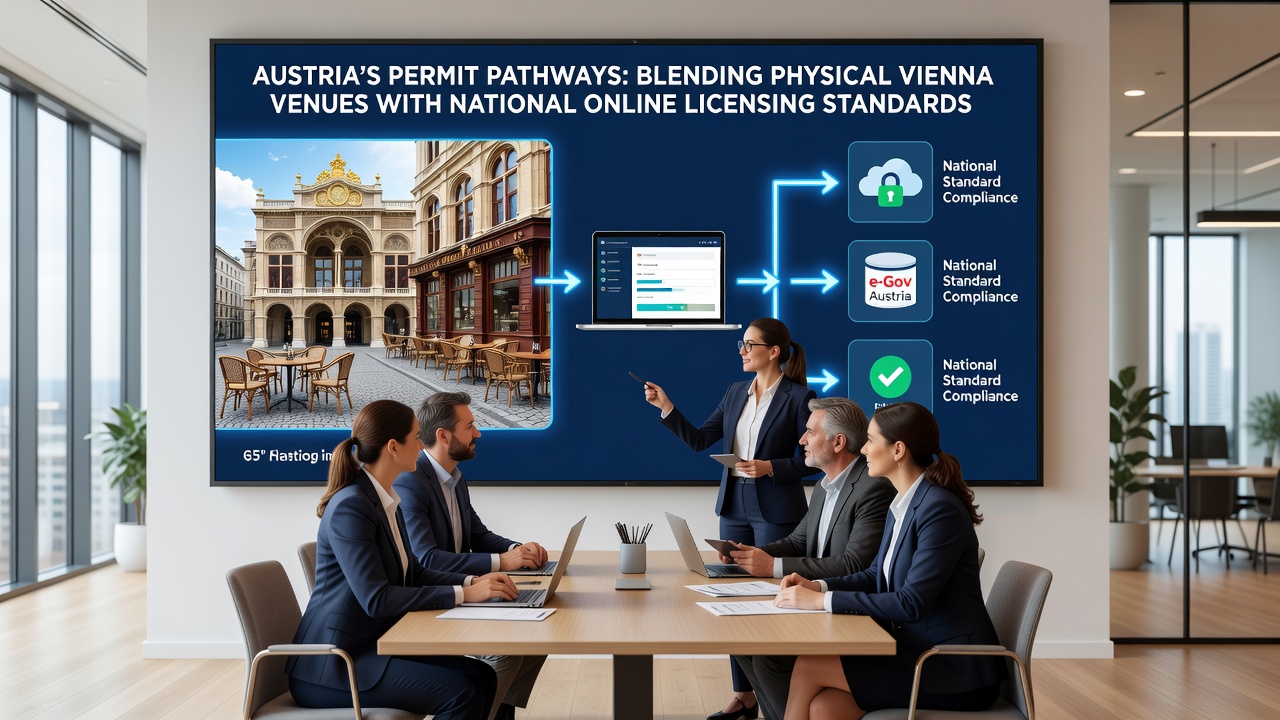
National standards mandate that operators implement certified software capable of tracking activity from both physical terminals and online accounts in a single environment, and this setup allows regulators to monitor compliance without maintaining parallel oversight systems. Researchers discovered that venues adopting such integrated platforms experience fewer discrepancies during quarterly reviews, because automated flags catch inconsistencies early. Those who've examined the process know that testing phases require simulated high-volume scenarios to prove system resilience, and successful demonstrations often shorten teh final approval timeline by several weeks.
Case Examples and Recent Developments
Take one operator who expanded a central Vienna location with online features in early 2026; the company first completed venue upgrades to meet physical safety codes, then linked those enhancements to a national digital license that emphasized responsible gaming tools available across all access points. Evidence suggests similar pathways have become more efficient since updates in mid-2026 introduced standardized templates for technology submissions, reducing administrative back-and-forth. Industry organizations like the European Gaming and Betting Association have documented these efficiencies in sector overviews, noting how hybrid licensing trends support consistent player protections.
Another example involves a smaller venue that partnered with a national platform provider to handle verification layers, allowing the operator to focus resources on physical operations while meeting online accountability benchmarks set by the ministry. What's interesting is that these collaborations have increased since November 2025, coinciding with revised guidelines that encourage such partnerships to accelerate permit processing.
Conclusion
Permit pathways in Austria continue to emphasize coordinated compliance that links Vienna's physical venues with national online standards, and operators who follow the layered process gain access to expanded markets under unified regulatory oversight. As of November 2026, ongoing refinements aim to further synchronize these elements, drawing on data from prior approvals to refine submission requirements and verification protocols. Austrian Federal Ministry of Finance resources provide detailed guidance on current application procedures for those pursuing such integrated licenses.