Austria's Digital Verification Systems for Remote Betting Compliance and Operator Accountability
Gisela Griffin · Oct 22, 2026
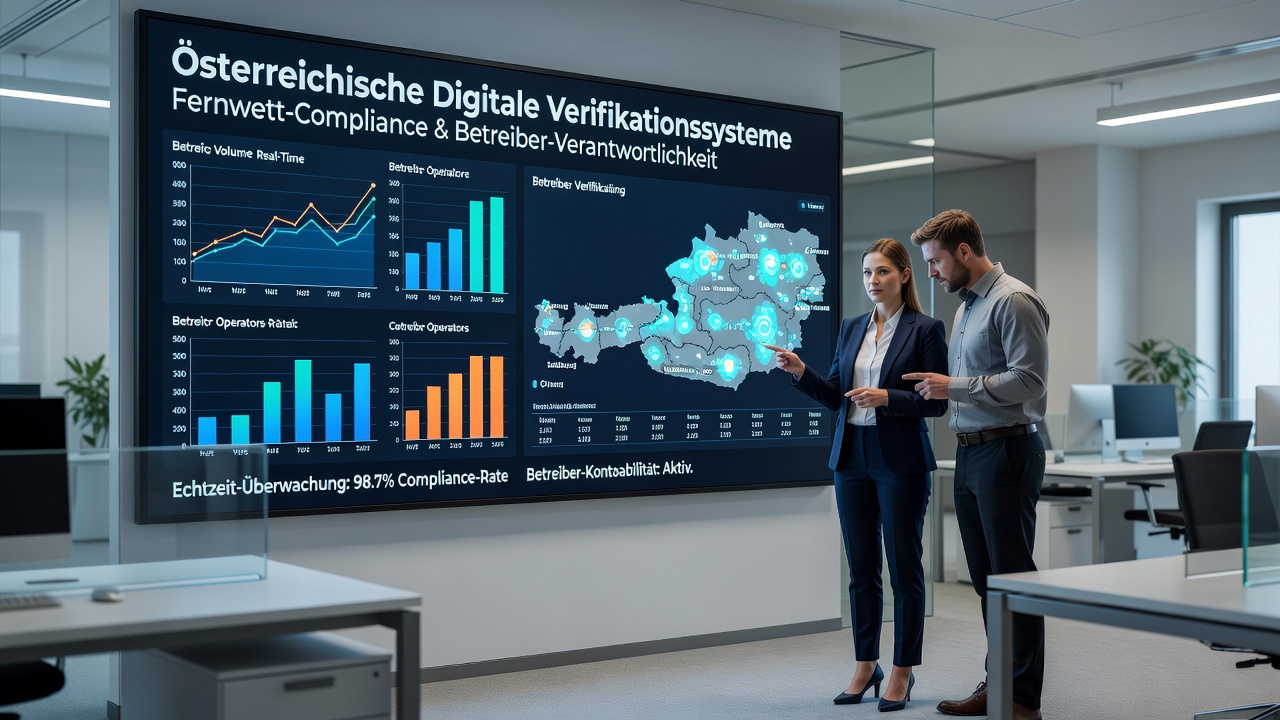
Austria's Digital Verification Systems for Remote Betting Compliance and Operator Accountability
Austria maintains a structured framework for remote betting that relies on advanced digital verification systems to enforce compliance and hold operators accountable, and these mechanisms integrate multiple layers of identity confirmation, transaction monitoring, and data reporting that connect directly to regulatory oversight bodies.
Operators must deploy electronic identification methods that align with the Austrian eID system, which draws on national digital identity cards and qualified certificates to confirm user age and residency before any betting activity begins, while continuous authentication protocols track ongoing sessions to prevent unauthorized access or account sharing.
Core Components of Digital Verification
Remote betting platforms incorporate biometric elements such as facial recognition and document scanning alongside traditional password systems, and these tools operate in real time to cross-reference user data against official registries maintained by federal authorities, which reduces the risk of identity fraud and ensures that only eligible participants engage in gambling activities.
Data shows that verification processes require operators to log every authentication attempt and retain records for a minimum period defined by law, creating an audit trail that regulators can access during routine inspections or targeted reviews, and this setup supports accountability by linking specific actions back to licensed entities.
Regulatory Integration and Reporting Requirements
The Austrian regulatory structure connects these verification systems to centralized reporting platforms that aggregate transaction data, player behavior metrics, and compliance indicators from all authorized operators, and authorities review these feeds to identify patterns that might indicate breaches of responsible gaming rules or licensing conditions.
According to figures from the Austrian Federal Ministry of Finance, remote betting volumes have required increasingly sophisticated verification layers since the expansion of digital channels, with updates implemented through 2026 to address emerging risks in user authentication and data security.
Operators face mandatory integration with anti-money laundering databases that flag suspicious patterns during the verification workflow, and this linkage allows for immediate suspension of accounts when discrepancies arise, which strengthens overall market integrity without interrupting legitimate play for verified users.

Accountability Mechanisms for Licensed Operators
Licensed entities must submit periodic compliance attestations that detail the performance of their verification infrastructure, and independent auditors often examine these submissions to confirm adherence to technical standards set by the regulatory body, which creates a cycle of verification and reporting that keeps operators aligned with evolving requirements.
Research from European gaming oversight reports indicates that Austria's approach emphasizes interoperability between private operator systems and public digital identity infrastructure, and this design allows regulators to enforce sanctions swiftly when verification failures occur, ranging from fines to license suspension depending on the severity of the lapse.
One study revealed that operators who invest in redundant verification layers experience fewer compliance incidents, and authorities have noted improvements in detection rates for underage access attempts since the rollout of enhanced biometric checks in prior years.
Developments Through October 2026
By October 2026, several operators had completed upgrades to their digital verification suites to incorporate quantum-resistant encryption standards for stored authentication data, and these changes reflect broader efforts to future-proof systems against advanced cyber threats while maintaining seamless user experiences for remote bettors.
Figures reveal that transaction monitoring tied to verification logs has helped identify and address irregular betting patterns across multiple platforms, and this data-driven oversight supports the accountability framework by providing concrete evidence during enforcement proceedings.
Conclusion
Austria's digital verification systems for remote betting continue to evolve through coordinated updates between regulators and operators, and the combination of electronic identification, real-time monitoring, and mandatory reporting creates a robust environment for compliance and accountability that other jurisdictions have examined for potential adaptation, with sources such as Austrian Federal Ministry of Finance publications and academic analyses from Canadian research institutions providing comparative context on similar frameworks.